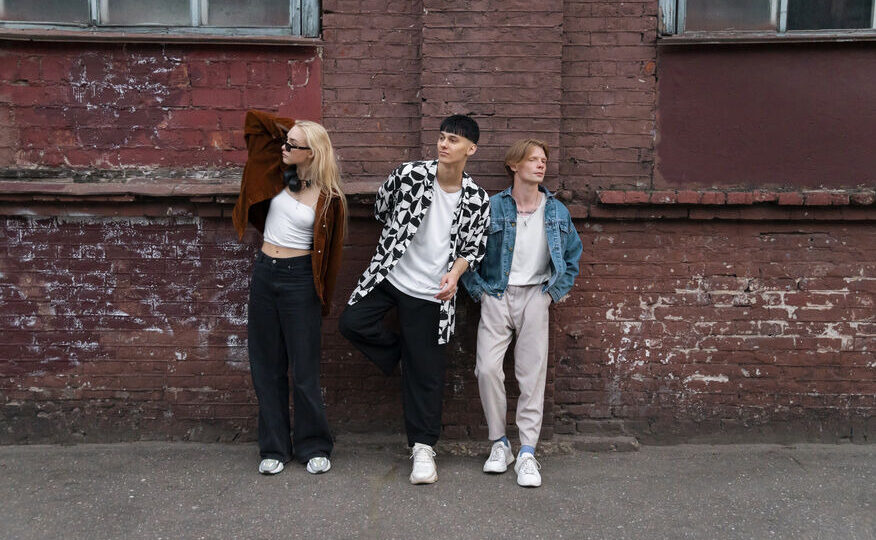
Streetwear fashion is contemporary city fashion at its maximum sincere: clothes constructed for real lifestyles (taking walks, working, commuting, developing), fashioned by way of youth tradition, and powered by means of self-expression. It’s comfortable, sensible, and visible—that means it looks good in motion, in photographs, and in ordinary settings. While streetwear used to be tied to skate parks, hip-hop scenes, and underground labels, it has also moved into the luxurious global via collaborations and runway have an impact on (think the lengthy arc that brought about moments like Louis Vuitton x Supreme).
But “current streetwear” in 2026 is not just about hype drops or emblems. The culture has shifted towards individualism over flex with many customers prioritizing private style and flexibility rather than chasing the loudest trend.
This guide offers you a entire streetwear blueprint: the way it started out, what defines it these days, the important pieces, match guidelines, outfit formulas, sneaker common sense, and how to store clever without wasting money.
What Is Streetwear (and what makes it “modern” today)?
At its middle, streetwear is casual apparel with cultural roots—in tune, skateboarding, sports wear, artwork, and neighborhood scenes. Historically, it’s commonly described as emerging from the fusion of New York hip-hop have an impact on and California surf/skate way of life, in the end soaking up Japanese road fashion, punk, and sports wear.
Modern streetwear maintains that DNA however updates the priorities:
- Fit and silhouette matter as much as the brand
- Quality and materials matter more than loud graphics
- Function (pockets, layering, comfort) is non-negotiable
- Personal styling beats “copy-paste” outfits
If you want a simple definition:
Streetwear = comfortable urban basics + strong silhouette + intentional details + personal identity.
A Quick History: From Subculture to High Fashion
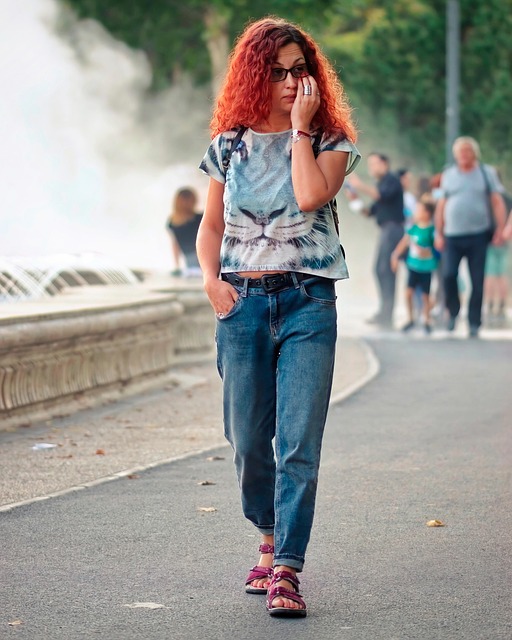
Streetwear did not start on luxurious runways it commenced inside the streets: neighborhoods schoolyards, courts and skate spots. Over time a few shifts normal what we now name streetwear:
The early roots
- 80s/90s scenes tied to skate hip hop, and DIY culture
- Early labels built community and exclusivity (small runs, local credibility)
The “hype + drops” era
Artificial scarcity (limited releases, “drops”) became a major engine of demand and resale markets exploded.
Luxury streetwear crossover
High fashion began collaborating with streetwear and adopting its codes. The LV x Supreme moment became a symbol of that era and proved streetwear could sit at the luxury table.
Where we are now
Some hype giants lost cultural edge as the market got saturated, and consumers started moving away from pure logo-driven flex toward individual style again.
So the modern lesson is simple: Streetwear is less about “what’s rare” and more about “what’s you.”
The 5 Pillars of a Great Streetwear Outfit
If you master these you can build streetwear looks with almost any budget.
Silhouette (the shape)
Streetwear lives in shape: cropped vs oversized wide vs slim, stacked vs clean hem. Even a plain outfit look streetwear if the silhouette is intentional.
Proportion (balance)
Classic balance rules:
- Wide pants → fitted/clean top
- Oversized top → straighter/cleaner pants
- Big layers → simple base (so it doesn’t look heavy)
Texture (depth)
Streetwear looks best when it’s not flat. Mix:
- denim + cotton
- fleece + nylon
- leather + jersey
- canvas + knit
Footwear lane (the vibe setter)
Sneakers can make the same outfit feel sporty, skate, techwear or luxury casual.
A signature detail
One strong detail makes your outfit memorable:
- a clean cap
- a statement watch
- a crossbody bag
- a unique jacket
- one graphic piece (not 5)
Streetwear Essentials: The Pieces You Actually Need
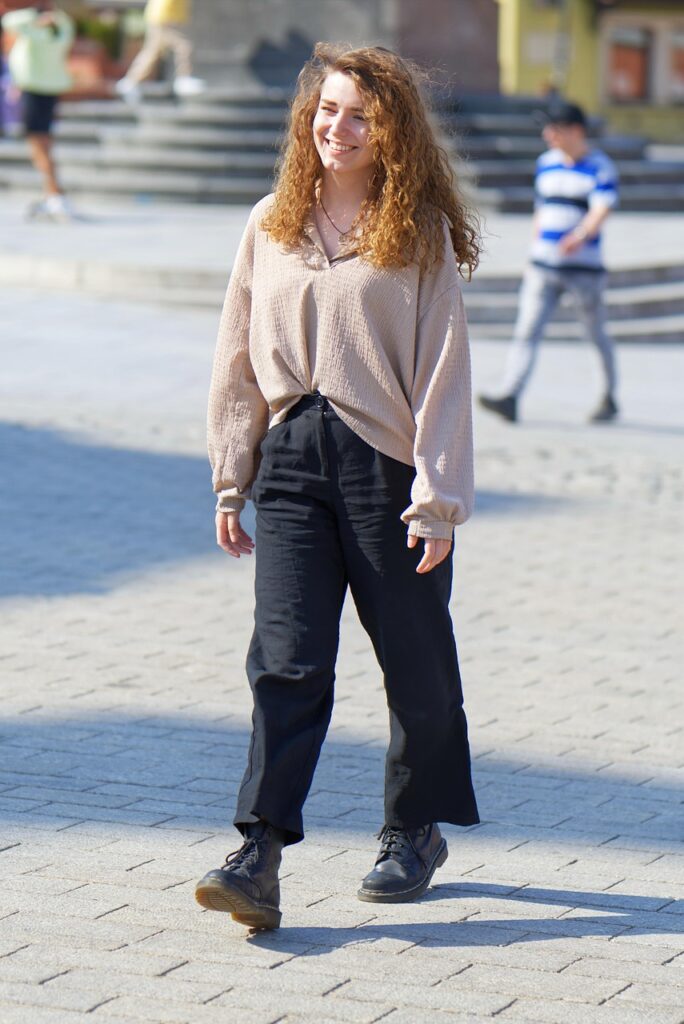
You don’t need a huge wardrobe. You need the right categories.
Tops
- Heavyweight blank tees (white, black, grey)
- Graphic tee (1–2 strong ones only)
- Boxy hoodie / crewneck
- Overshirt (flannel, canvas, or nylon)
- Fitted base layer (for balance and layering)
Bottoms
- Relaxed straight jeans (your workhorse)
- Wide-leg jeans or cargos (for modern silhouette)
- Workwear pant (double-knee style or canvas)
- Clean jogger (not too tapered) for sporty fits
Outerwear
- Bomber or cropped jacket (street classic)
- Denim jacket or trucker
- Utility/workwear jacket
- Lightweight shell/windbreaker (especially for techwear/gorpcore looks)
Pro tip: If your weather is hot (like many parts of Pakistan most of the year) invest extra in tees, overshirts, breathable cargos, and sneakers—and hold heavy hoodies/jackets as wintry weather-simplest flex portions..
Sneakers and Footwear: How to Pick the Right Pair for Your Style
Shoes don’t “finish” streetwear—they often lead it. The right footwear lane makes your outfit look intentional.
The 4 streetwear footwear lanes
1) Clean low-profile sneakers
Minimal, sharp, “clean street” vibe (great with straight pants, cropped hems).
2) Chunky runners / retro trainers
Balances wide pants and oversized layers. Great for modern silhouettes.
3) Skate shoes
Classic street credibility. Looks best with baggy denim/cargos and graphic tees.
4) Boots (utility/combat)
Pushes the outfit into workwear/techwear. Great with cargos, darker palettes, and heavy outerwear.
Easy rule
If your fit is oversized, chunkier shoes usually balance better.
If your fit is clean and fitted, sleeker shoes often look sharper.
Fit, Layering, and Proportion: The “Streetwear Math”
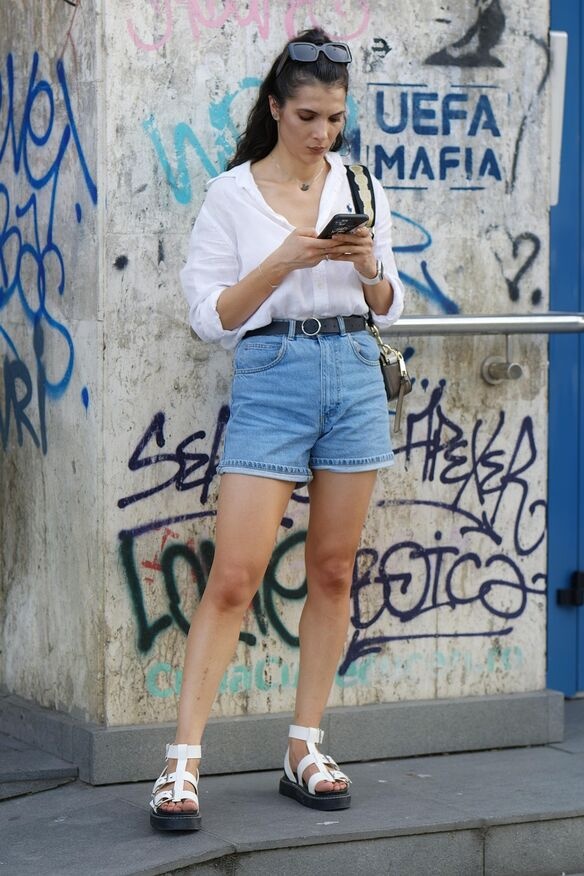
Most people fail at streetwear for one reason: the fit is accidental. Streetwear should look relaxed—but controlled.
Fit guidelines that always work
- Avoid “tight everywhere” (it reads more like clubwear than streetwear)
- Avoid “baggy everywhere” (it can look sloppy without structure)
- Choose one hero volume piece: oversized hoodie OR wide pants OR big jacket
Layering (the easy method)
Layering is where streetwear looks expensive.
Simple layering formula:
- Base: tee or long sleeve
- Mid: overshirt / hoodie / cardigan
- Outer: jacket / shell
- Anchor: solid pants + strong shoes
Neckline trick:
A crewneck tee under hoodie under a jacket look more styled than a single top because the layer create visible structure.
Colors, Graphics and Accessories: How to Look Stylish Not Loud
Streetwear can loud but modern streetwear is often curated.
Color palettes that look modern
- Monochrome: all black, all grey and all cream
- Earth tones: brown, beige and charcoal
- Muted pops: one bright item (like a cap or shoe) against neutral
Graphics: the clean approach
Graphic tees are streetwear history—but too many graphics makes your fit look busy.
Use the “one graphic rule”:
- If your tee is loud, keep pants/outerwear simple.
- If your jacket is loud, wear a blank tee.
Accessories that actually upgrade outfits
- Cap/beanie (shape your silhouette)
- Crossbody bag (adds utility + layering)
- Simple chain or watch (small polish)
- Rings (minimal stack)
- Sunglasses (street + clean)
Streetwear Substyles: Choose Your Lane
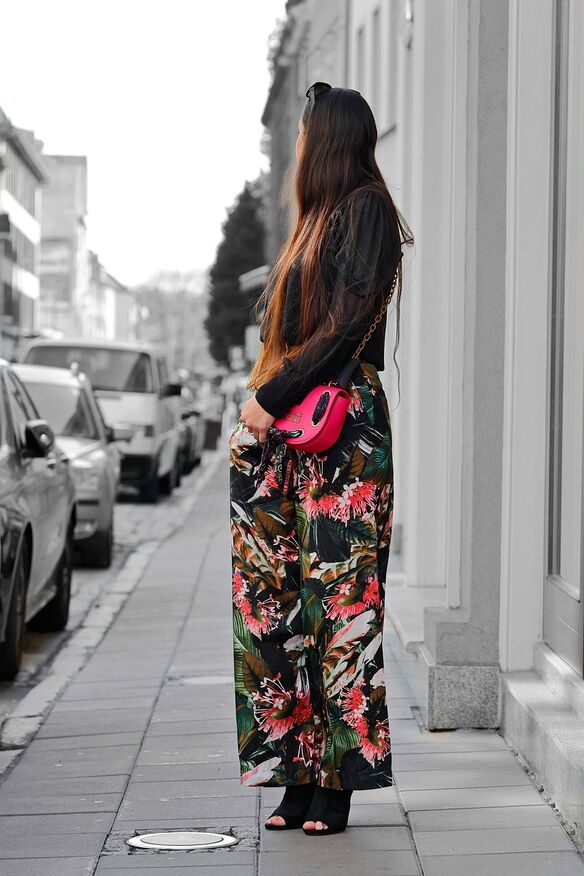
Streetwear is a universe. Pick a lane so your outfits feel consistent.
A) Skate streetwear
Graphic tee + baggy denim + shoes + cap.
B) Workwear streetwear
Canva jacket + cargos/double-knee pants + boots + earthy colors.
C) Techwear or gorpcore streetwear
Shell jacket + nylon pants + trail sneakers + utility bag.
D) “Clean street” (minimal luxury streetwear)
Blank tee + straight pants + clean sneakers + sharp outerwear.
E) Hype/collectible streetwear
Statement pieces, limited drops, collaborations—this lane is still alive but more selective now as the culture shifts away from peak hype.
Shopping Smart: Brands, Drops, Resale, Authenticity, and Care
Streetwear shopping has its own rules because scarcity and resale markets still exist—even if the culture is less “hype-only” than before.
How to shop without wasting money
Buy basics first (always):
• heavyweight tees
• solid hoodies
• good denim/cargos
• one strong outerwear piece
These build 80% of your outfits.
Add statement pieces slowly:
• one graphic tee you truly love
• one special sneaker
• one standout jacket
Drops: don’t let scarcity control you
Drops can be fun, but if you buy things you can’t style 10 ways, it becomes expensive clutter. Drops were historically a huge part of streetwear marketing.
Modern streetwear is stronger when it’s personal—not just rare.
Resale: use it like a tool.
Verified resale platforms (and authentication processes) are popular for sneakers and streetwear staples especially when items sell out fast.
If you are buying resale and prioritize:
- condition (new vs worn)
- seller reputation/authentication
- realistic pricing (don’t chase peak hype)
Quick authenticity red flags
- Wrong stitching spacing (messy seams)
- Off logo placement/size
- Poor print quality (cracking or blurred)
- Cheap tags/labels that feel wrong
- Price too good to be true (especially on hyped items)
Caring for streetwear (so it looks highly-priced longer)
- Wash photograph tees inner-out, cold water
- Air dry hoodies to avoid decrease
- Use sneaker wipes/brushes weekly (small maintenance = big distinction)
- Store hats well so that they don’t lose form
Sustainability notice (streetwear-friendly)
If you need a greater sustainable streetwear method:
- thrift denim, jackets, and tees (exceptional cost particular)
- buy fewer, better-exceptional basics
- restore and clean shoes rather than changing quickly
Conclusion
Modern streetwear is not about wear the loudest logo or buying the rarest drop. It’s about silhouette, confidence, and real-life function—with cultural roots in music, skate, and urban scenes that later influenced even luxury fashion. And as the market has matured, the strongest streetwear looks are increasingly the ones built on individual style, not hype-chasing.
 3
3
 20
20
 20
20